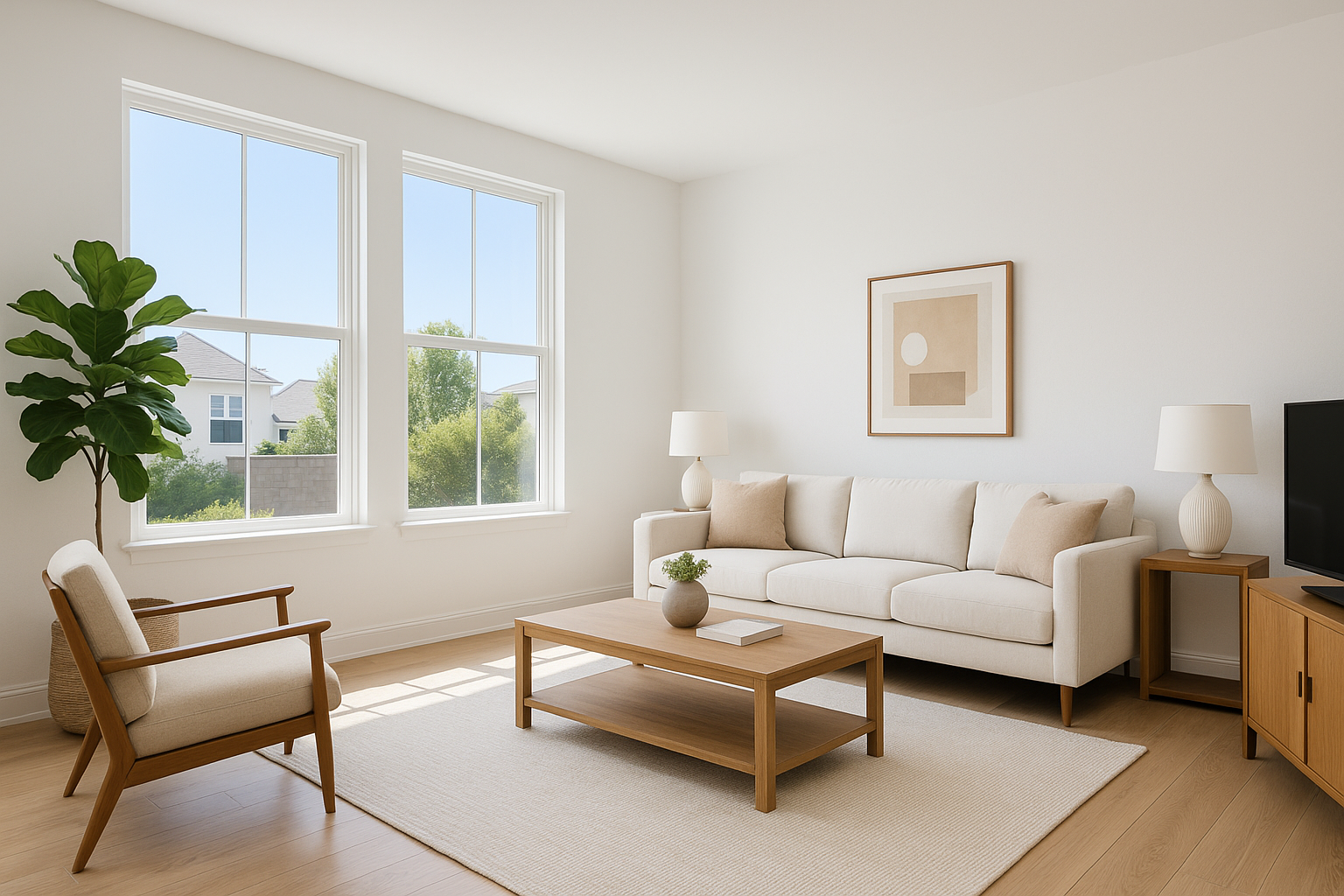
Capturing stunning property photos is essential in the competitive world of real estate. High-quality images can make a significant difference in how quickly a property sells or rents. This article provides you with essential property photography tips to improve your pictorial representation and attract a wider audience.
Master the Basics of Real Estate Photography
Before delving into advanced techniques, ensure you have a good grasp of fundamental photography principles that apply to real estate.
Use Proper Equipment
Start with a camera that handles low-light situations well and a wide-angle lens to capture more of the room in a single shot. However, investing in the latest high-budget equipment isn't necessary. Instead, focus on understanding your gear and its capabilities.
Leverage Natural Light
Whenever possible, utilize natural light to your advantage. Schedule your photoshoots during the day when rooms are well-lit by sunlight. Steer clear of harsh midday sunlight; late morning or early afternoon are ideal times.
Learn Composition Techniques
Apply the rule of thirds to create balanced and aesthetically pleasing shots. Make sure vertical lines like walls and door frames remain vertical, not tilted – a common mistake in interior photography.
Enhance Photos with AI Technology
Artificial intelligence photo enhancement tools, like those provided by RealEstatePhotoEditor.com, can transform your images from good to stunning.
Correct Exposure and Color
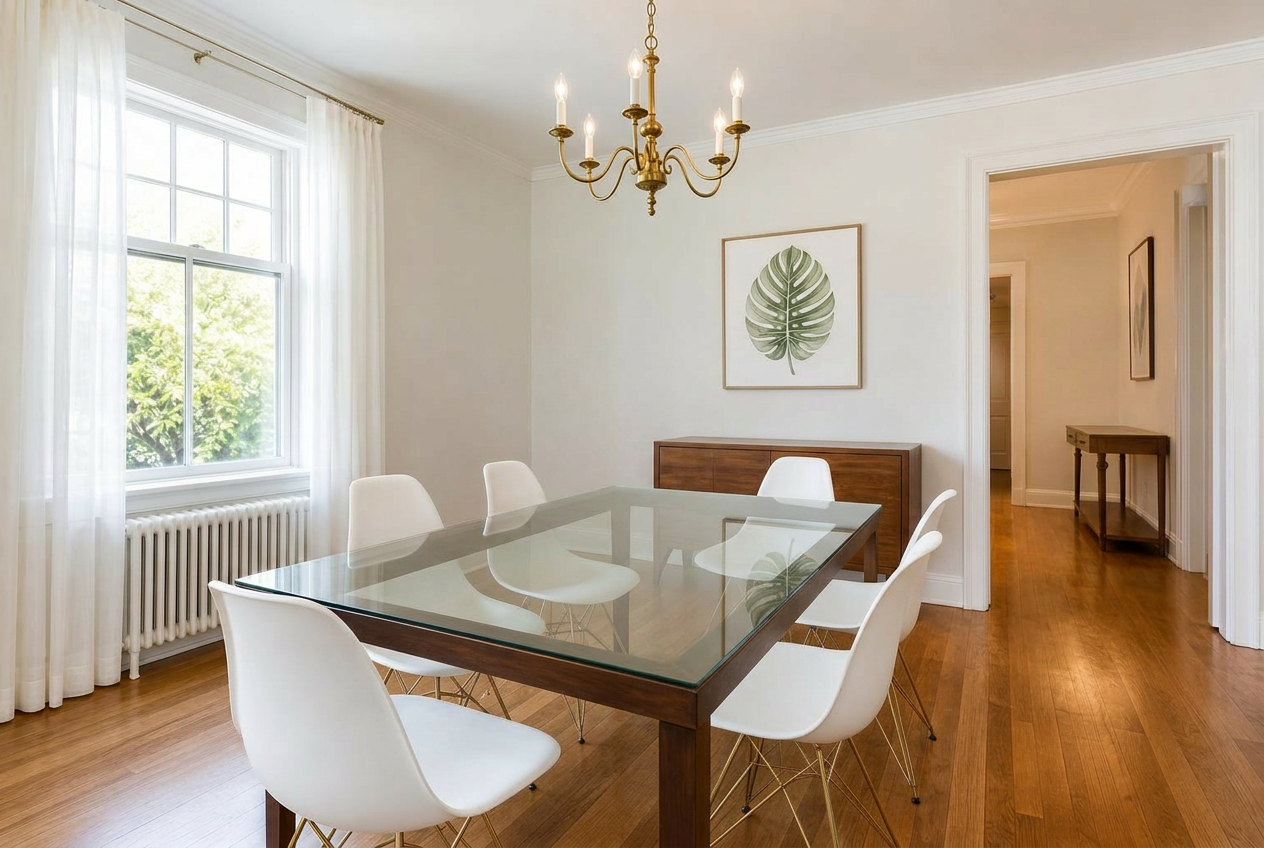
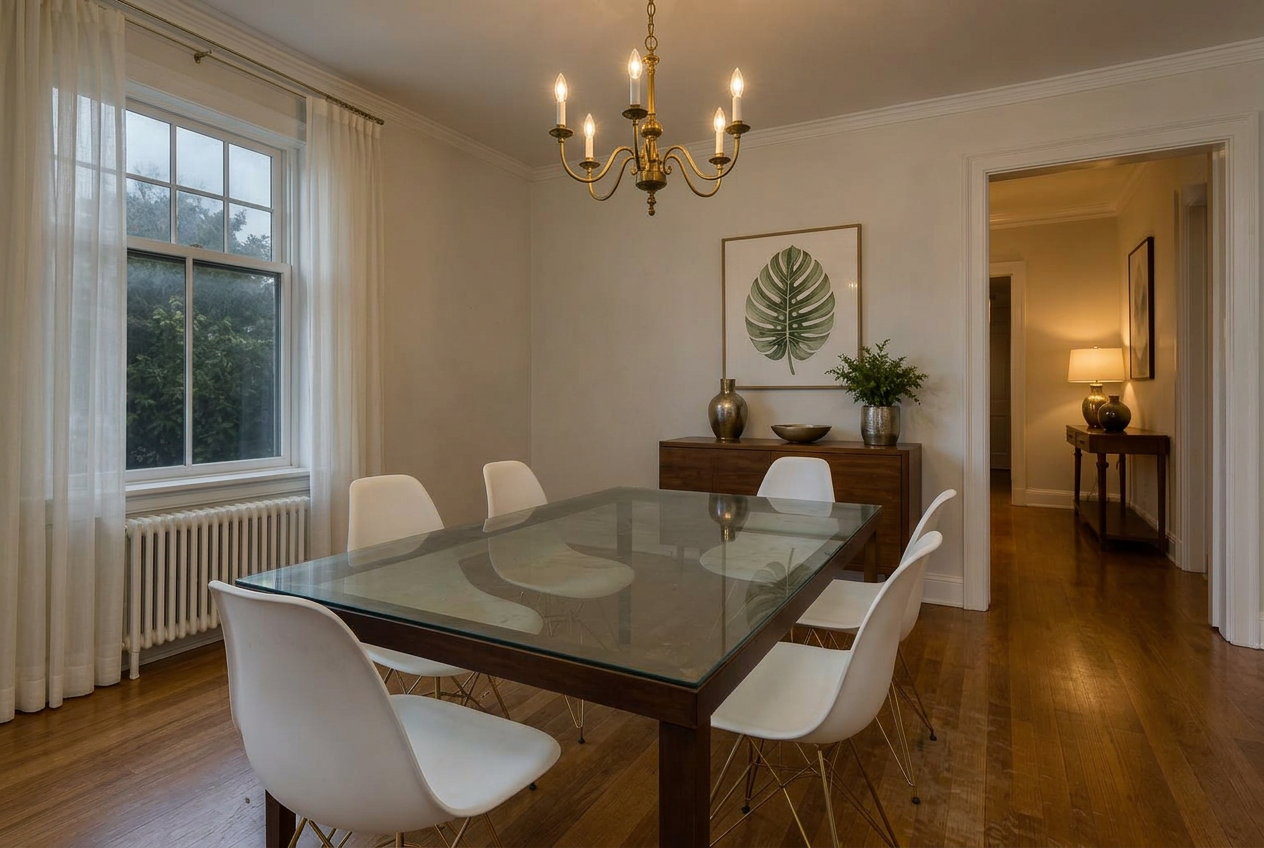
Use AI tools to lift shadows and correct exposure, bringing out details without making images look unnatural. Also, ensure white balance correction to neutralize any color casts, such as yellow tones from artificial lighting.
Sky Replacement
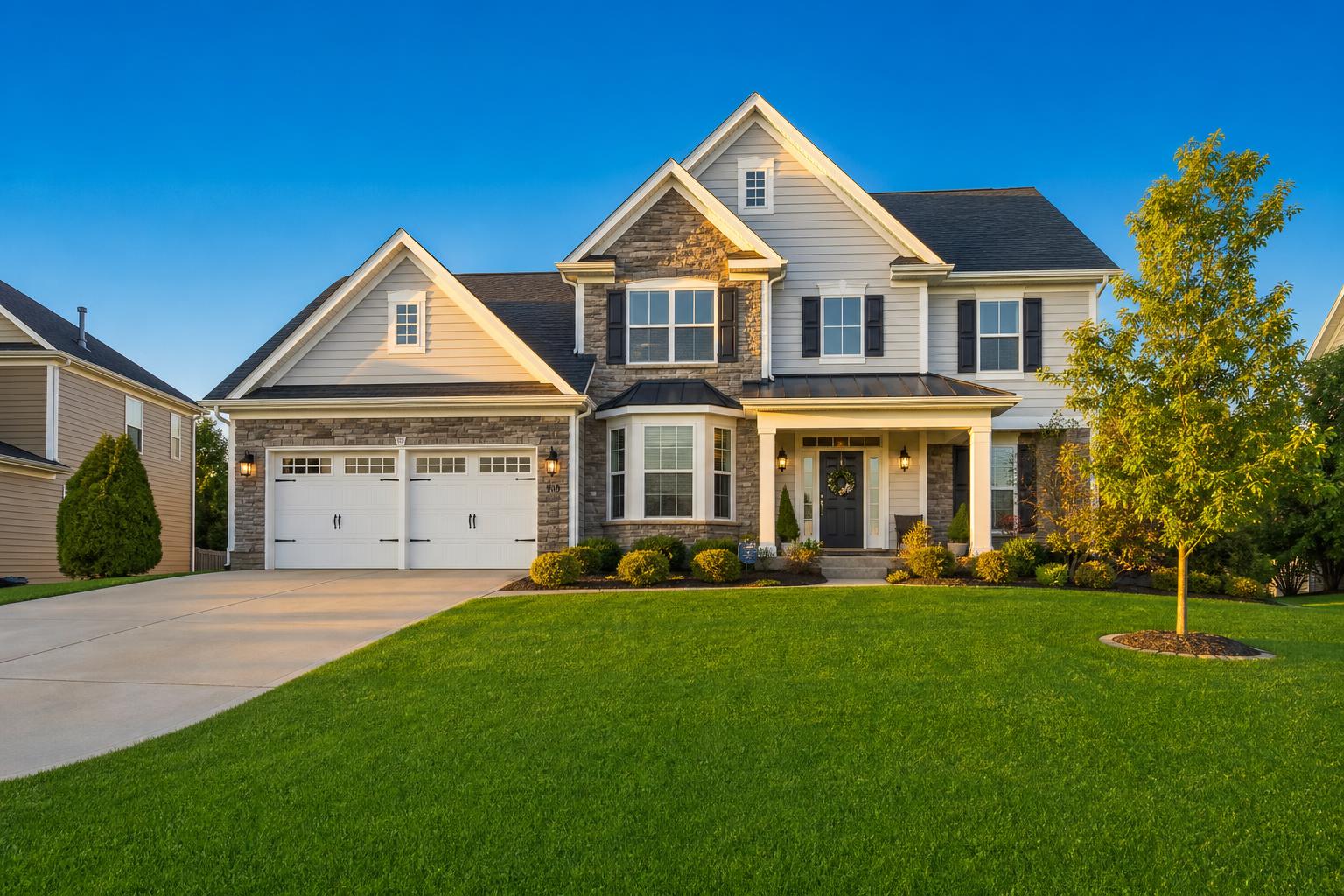
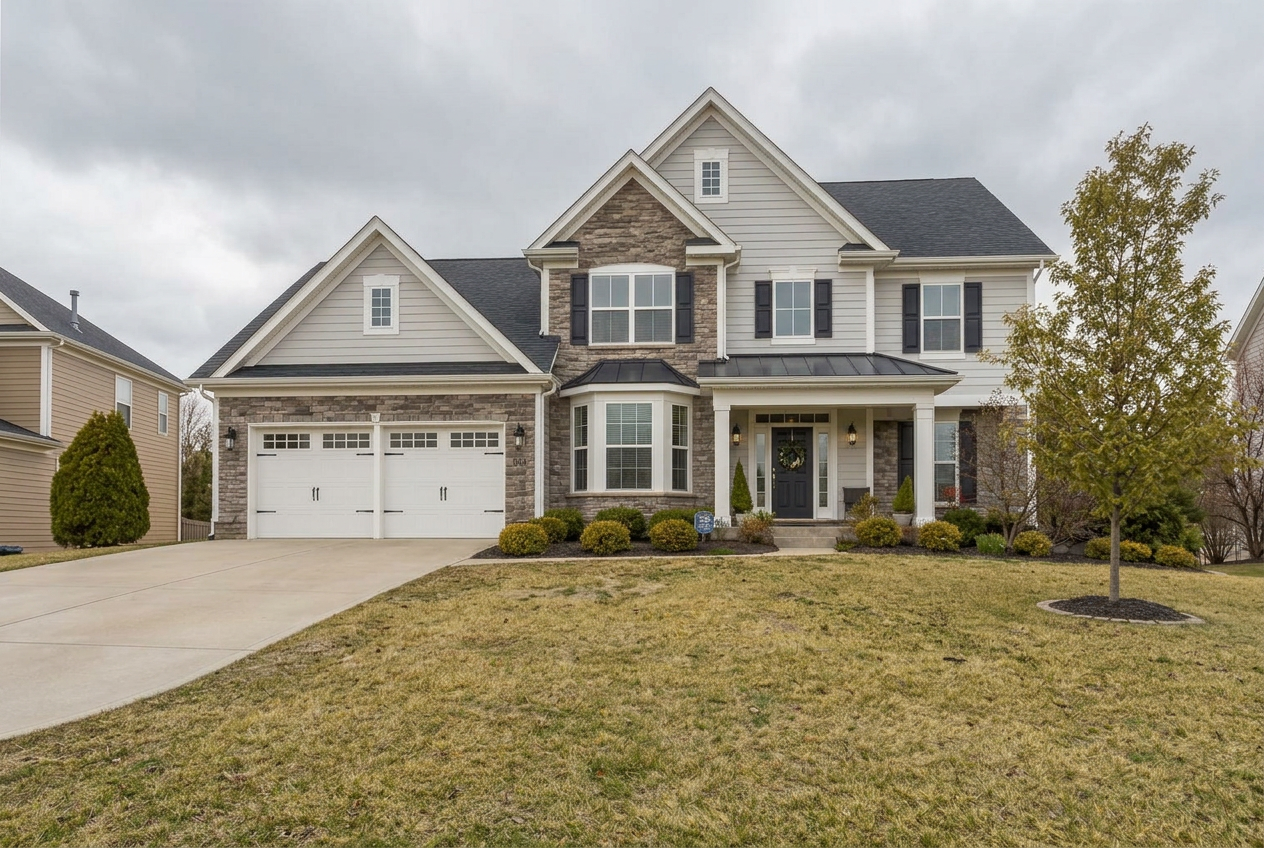
A clear blue sky can greatly improve an exterior shot's appeal. AI tools can seamlessly replace dull or cloudy skies with vibrant blue ones, enhancing the property's overall look.
Sharpen and Refine Details
AI enhancements can sharpen details and reduce noise in images, offering a polished and professional finish. This is especially valuable in showcasing textures in materials like wood floors or brick walls.
Staging Tips for Impactful Photos
While AI can elevate the technical aspects of your photos, proper staging plays a crucial role in making shots appealing.
Declutter and Clean
Remove small personal items such as family photos, books, or toiletries, offering a neutral, clean slate for potential buyers to envision living there. Use AI editing to declutter images without physically altering the space.
Arrange Furniture Strategically
Position furniture to showcase the room's space and flow, keeping walkways clear and highlighting focal points like fireplaces or large windows.
Optimize for Different Property Types
Different property types may require slight adjustments to your photography techniques.
Small Apartments
Focus on maximizing the sense of space and light. Use mirrors strategically and ensure your angles show the apartment's best features.
Luxury Homes
Highlight unique features such as high-end appliances or custom architecture. Ensure the grand scale and details are well captured.
Outdoor Spaces
Emphasize landscaping and outdoor amenities like pools or patios. Use a polarizing filter to reduce glare and enhance color in landscaped areas.
Conclusion
Incorporating these property photography tips will enhance your real estate listings. Combining traditional photography skills with AI photo enhancements ensures your properties are presented in the best possible light. Try RealEstatePhotoEditor.com’s AI tools with a free trial to see the differences firsthand.
FAQ
{"question": "How can AI photo enhancement help with real estate photography?", "answer": "AI tools can adjust lighting, correct color, replace skies, and remove small clutter, presenting a polished image."}, {"question": "What equipment is essential for real estate photography?", "answer": "A camera with good low-light performance and a wide-angle lens are essential; a tripod is often beneficial as well."}, {"question": "Why is natural lighting important in property photos?", "answer": "Natural lighting creates a bright, inviting atmosphere and reduces the need for artificial lighting correction."}, {"question": "How does composition affect property photography?", "answer": "Proper composition, such as using the rule of thirds and straight lines, ensures photos are balanced and professional."}, {"question": "Can I use my smartphone for property photography?", "answer": "With proper lighting and composition techniques, smartphones can capture quality images, but may lack the depth of field and flexibility of a DSLR."}