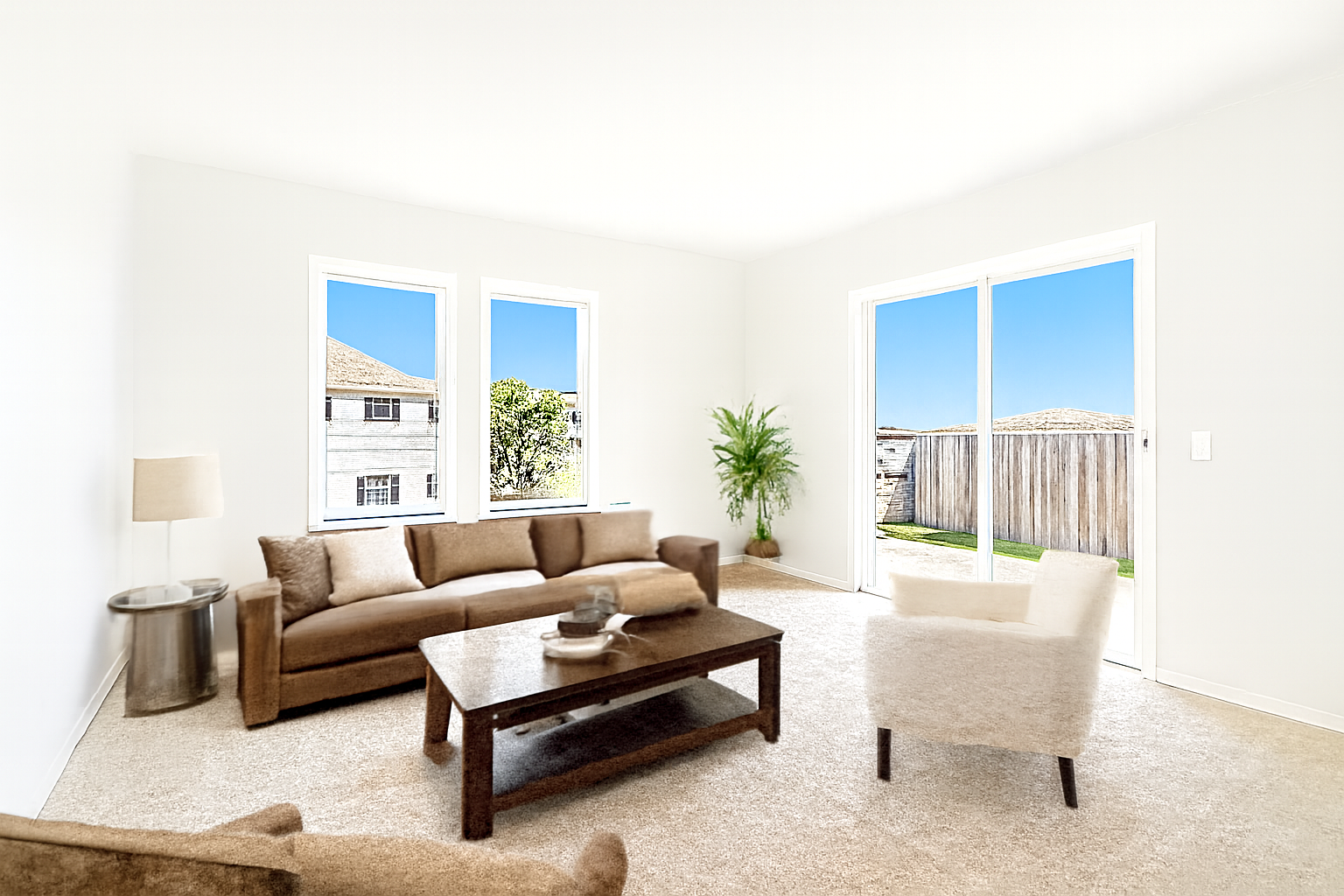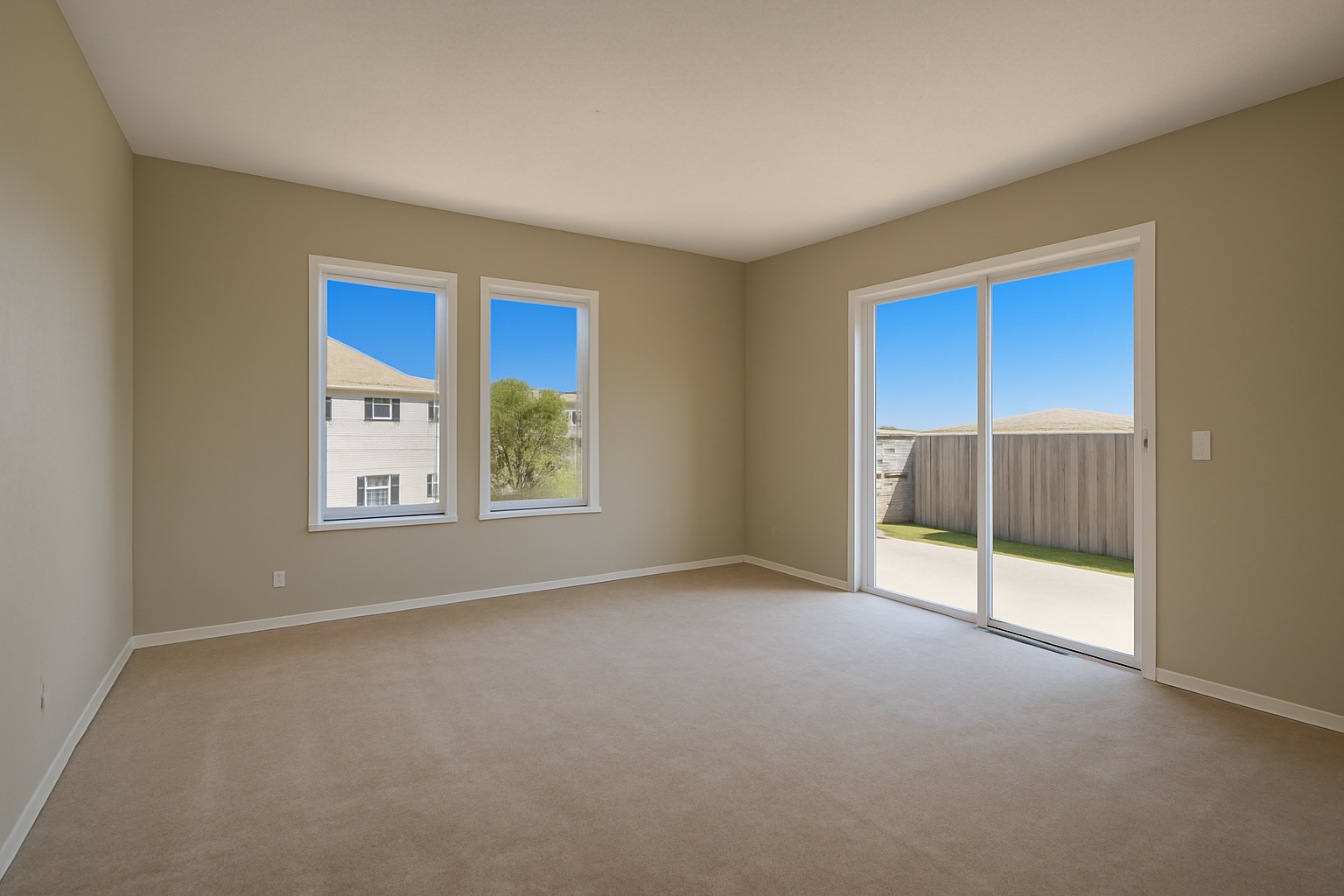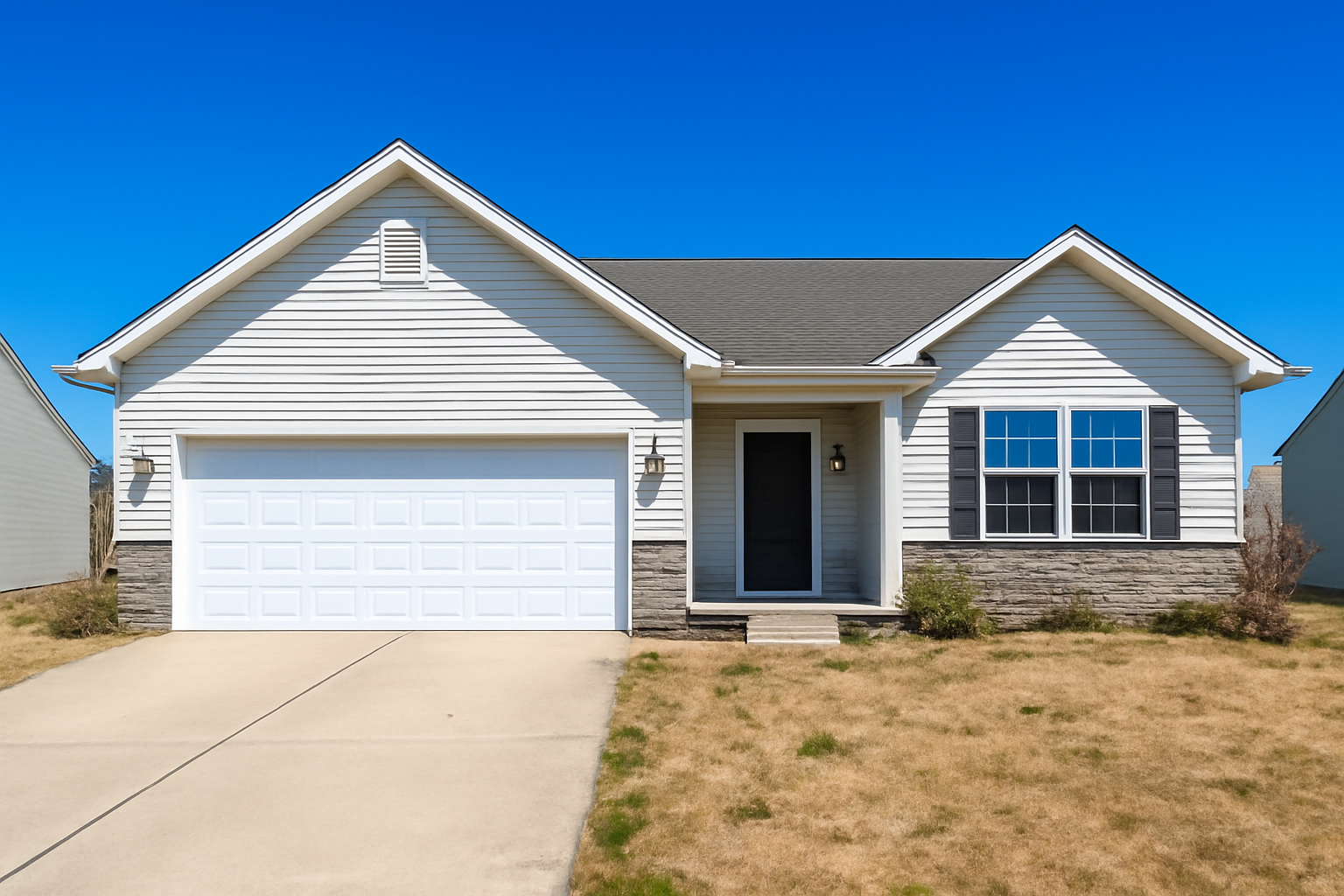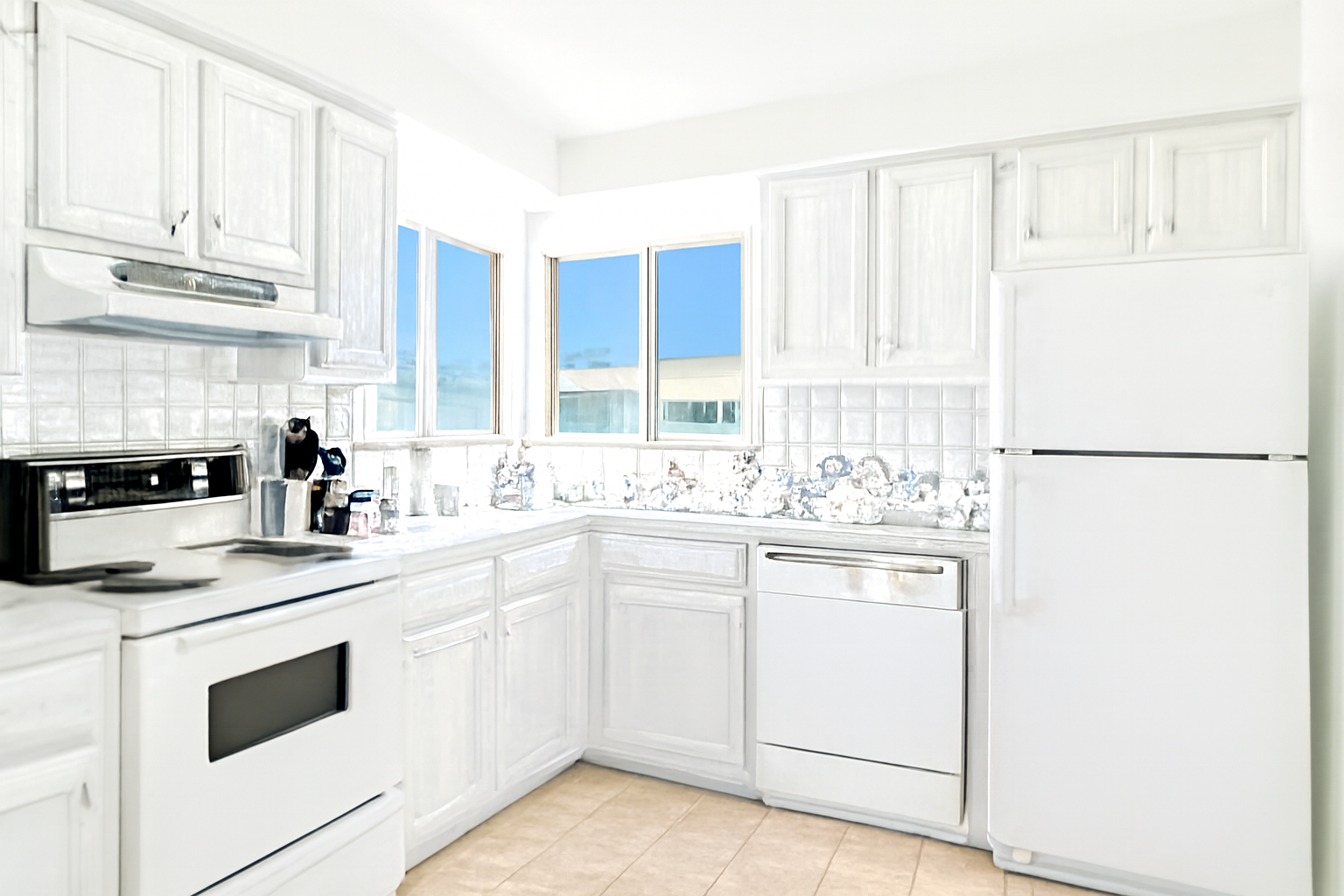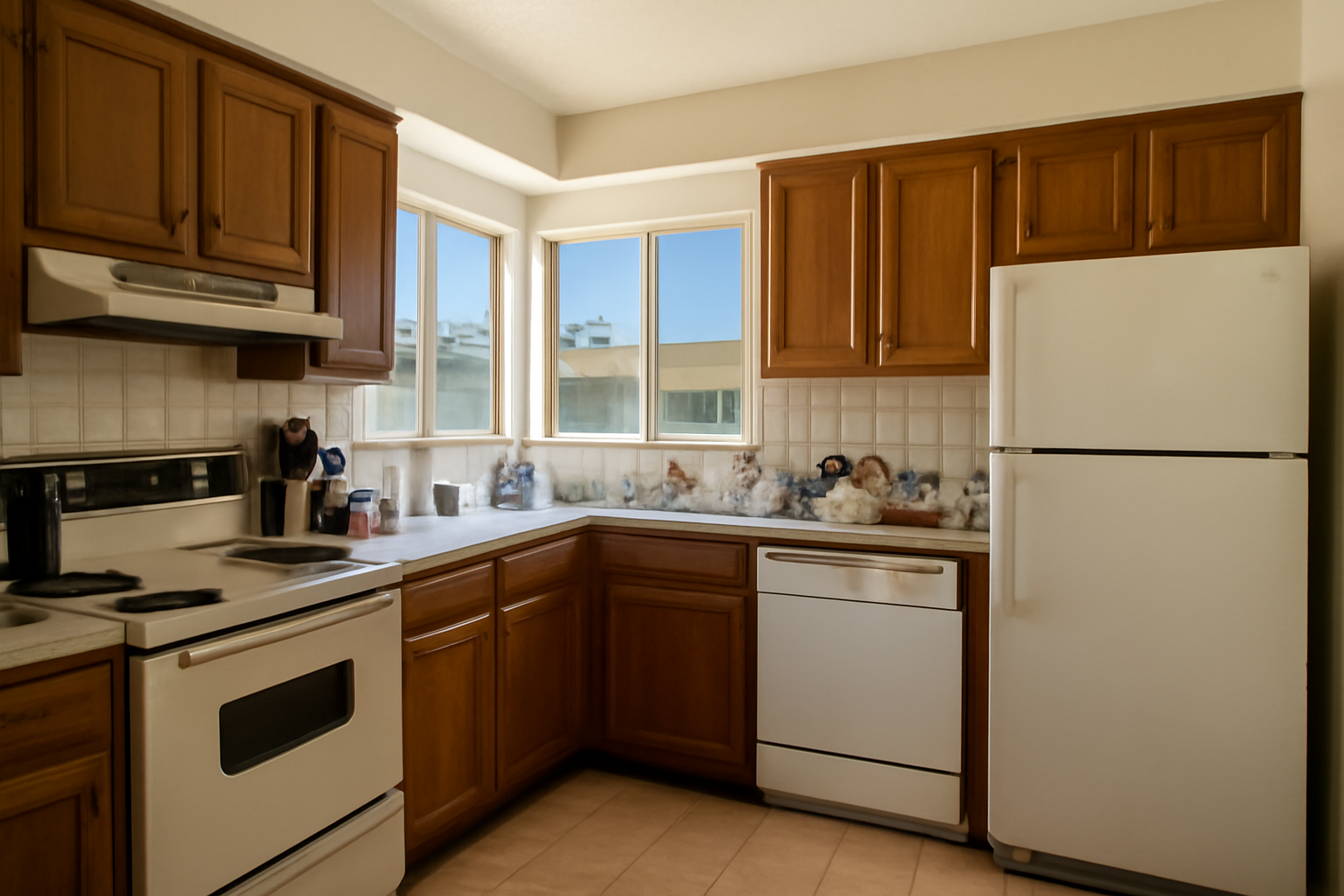
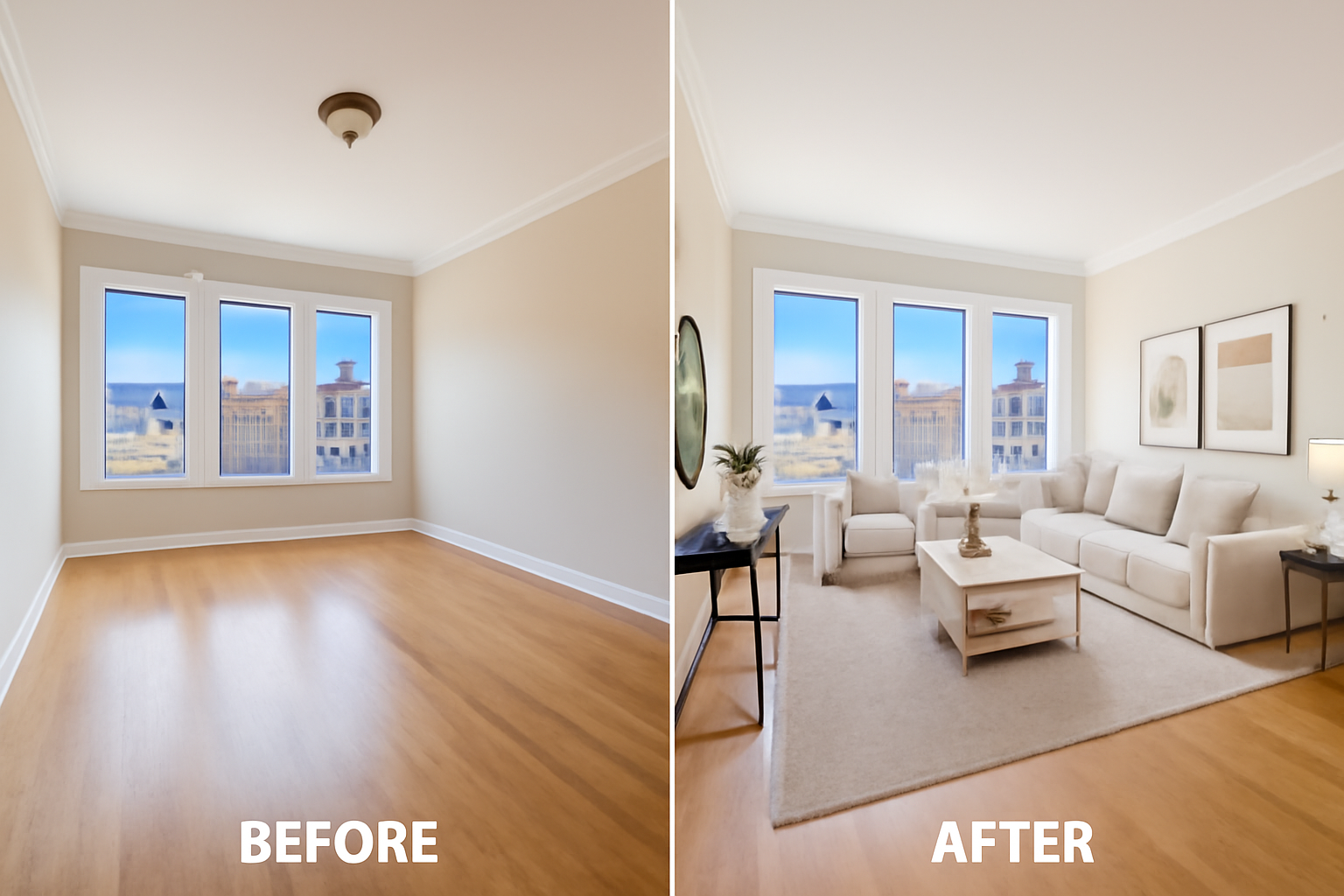
In today’s fast-paced real estate market, capturing the attention of potential buyers is paramount. Virtual home staging, a cutting-edge tool that utilizes AI technology, has emerged as a game-changer, revolutionizing how properties are presented and sold. This powerful technique offers a cost-effective alternative to traditional staging by digitally enhancing property images to showcase a home’s full potential.
What is Virtual Home Staging?
Virtual home staging involves digitally furnishing and decorating a property’s photos to make it more appealing to potential buyers. Unlike traditional staging, which requires physical furniture and decor, virtual staging uses software to add stylish elements such as sofas, tables, art, and more to digital images of vacant or plain spaces. This method is particularly beneficial for vacant homes, which often feel cold and uninviting without furniture.
Benefits of Virtual Staging
-
Cost-Effectiveness: Traditional staging can be prohibitively expensive, often costing thousands of dollars. In contrast, virtual staging typically costs a fraction of that, as it doesn’t involve renting or purchasing physical items.
-
Flexibility and Speed: Virtual staging allows for quick adjustments and customization to suit different styles and tastes, all without the logistical challenges of moving furniture.
-
Enhanced Online Listings: In a digital-first world, captivating online listings are crucial. Virtual staging helps create visually stunning images that attract more clicks and inquiries from potential buyers.
-
Highlighting Potential: Many buyers struggle to visualize an empty space's potential. Virtual staging bridges this gap by showing how rooms can function and look when furnished and decorated.
How Does Virtual Home Staging Work?
The virtual home staging process is straightforward. Firstly, high-quality photos of the property are taken. These images are then enhanced using sophisticated software that allows for the addition of furniture, rugs, artwork, and even new wall colors.
Key Steps in Virtual Staging
- Select Quality Photos: The photos you choose serve as the base for staging. Ensure they are well-lit and showcase the space effectively.
- Customization: Choose styles that suit the targeted market demographic. Consider contemporary, rustic, or classic designs to appeal to different buyer personas.
- Enhancement: Use AI-powered tools like RealEstatePhotoEditor.com to seamlessly add virtual furnishings and accessories, creating a polished, inviting look.
- Review and Revise: Before finalizing, review the staged images to ensure they present the property in the best possible light.
Consider giving our free trial a shot. It provides a risk-free way to transform your property images, making your listings stand out.
Best Practices for Using Virtual Staging
- Be Honest: Transparency is key. Make sure to disclose that images are virtually staged to maintain trust with potential buyers.
- Choose Neutral Styles: While it’s tempting to go all out, sticking to neutral palettes and common styles ensures broad appeal.
- Don’t Overdo It: Less is often more. The aim is to enhance, not overwhelm. Highlight key features of the home without overcrowding images.
Common Mistakes to Avoid
- Using Low-Quality Photos: Always start with high-resolution images; poor quality photos can undermine the effectiveness of virtual staging.
- Ignoring Scale and Proportions: Make sure the furniture fits and is proportionate to the space to avoid misleading potential buyers.
- Neglecting Consistency: Ensure that the virtual decor aligns with the space’s architectural style and intended use.
Conclusion
Virtual home staging is transforming real estate marketing, offering a sleek, efficient, and affordable way to present properties. By utilizing tools like RealEstatePhotoEditor.com, real estate professionals can harness the power of AI to enhance their listings and capture buyer interest. Take the next step and elevate your property marketing by trying out our free trial today.
FAQs
-
What is virtual home staging? Virtual home staging is the process of digitally furnishing and decorating property photos to enhance appeal to buyers.
-
How much does virtual staging cost? It varies, but virtual staging is typically much more affordable than traditional staging, costing anywhere from $50 to $300 per image.
-
Can virtual staging be used for any room? Yes, virtual staging can enhance any room, including living rooms, bedrooms, kitchens, and even outdoor spaces.
-
Is it necessary to disclose virtual staging in real estate listings? Yes, to maintain transparency and trust, it is crucial to disclose that images are virtually staged.
-
How effective is virtual staging in selling homes? Virtual staging has proven to be very effective in attracting interest and offers, helping potential buyers visualize the space.