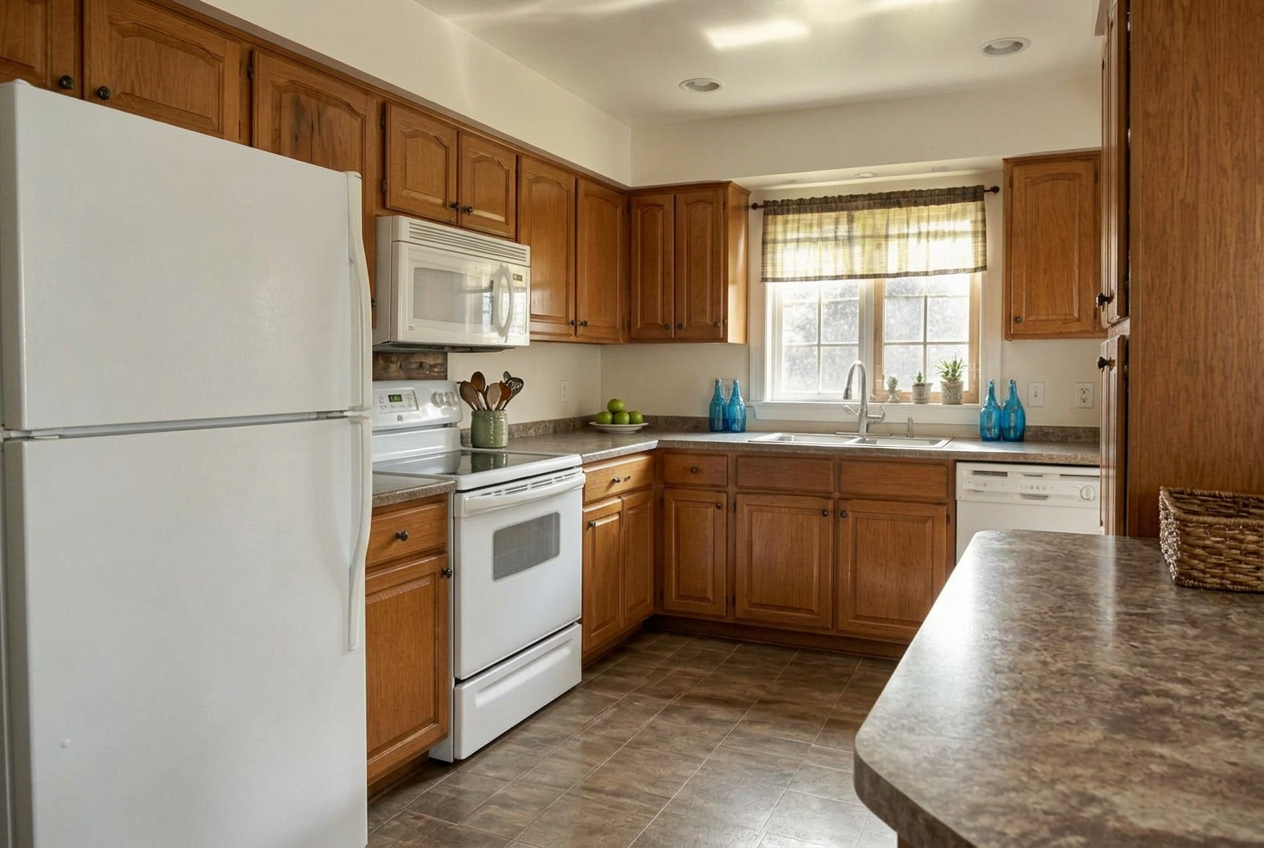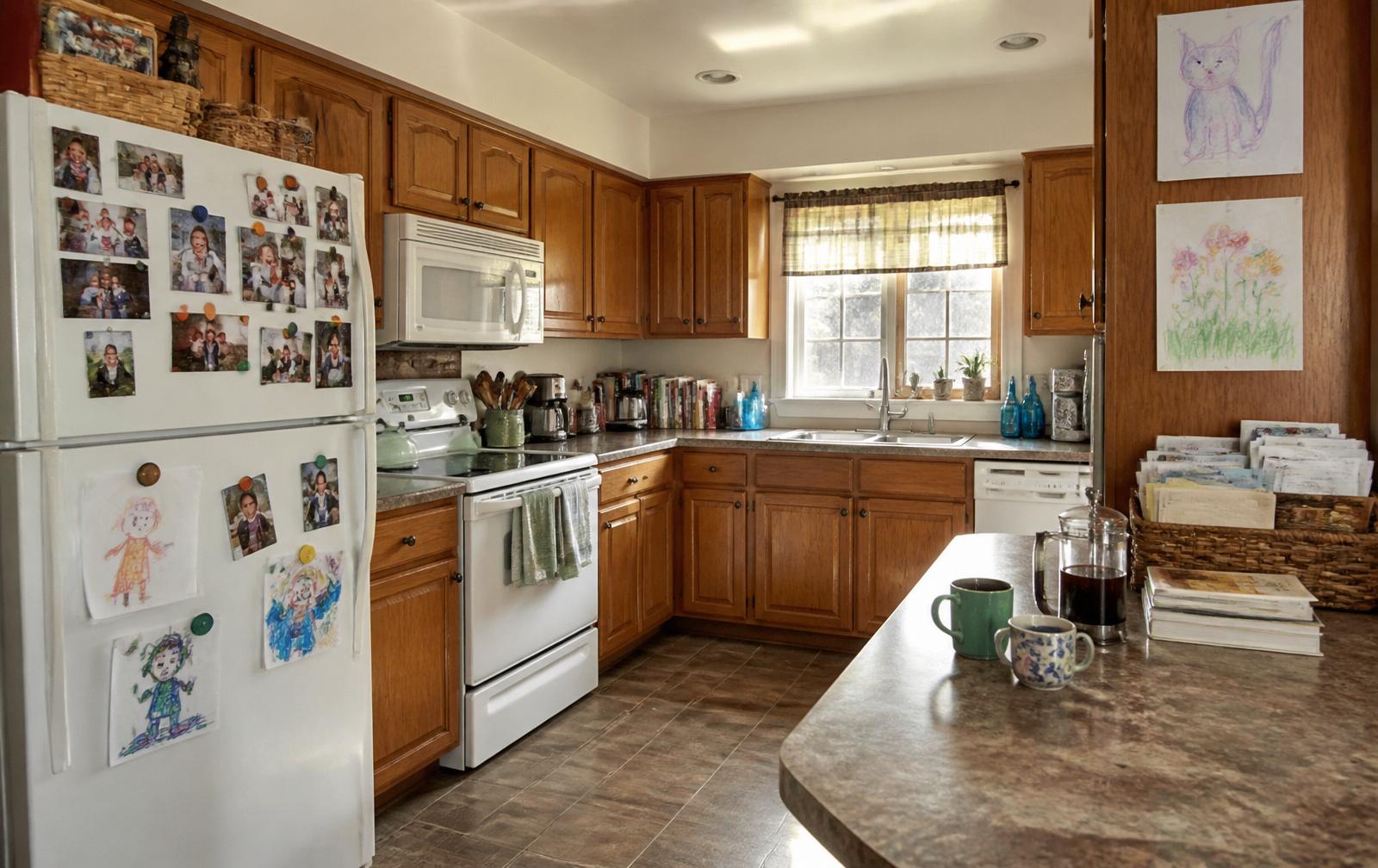
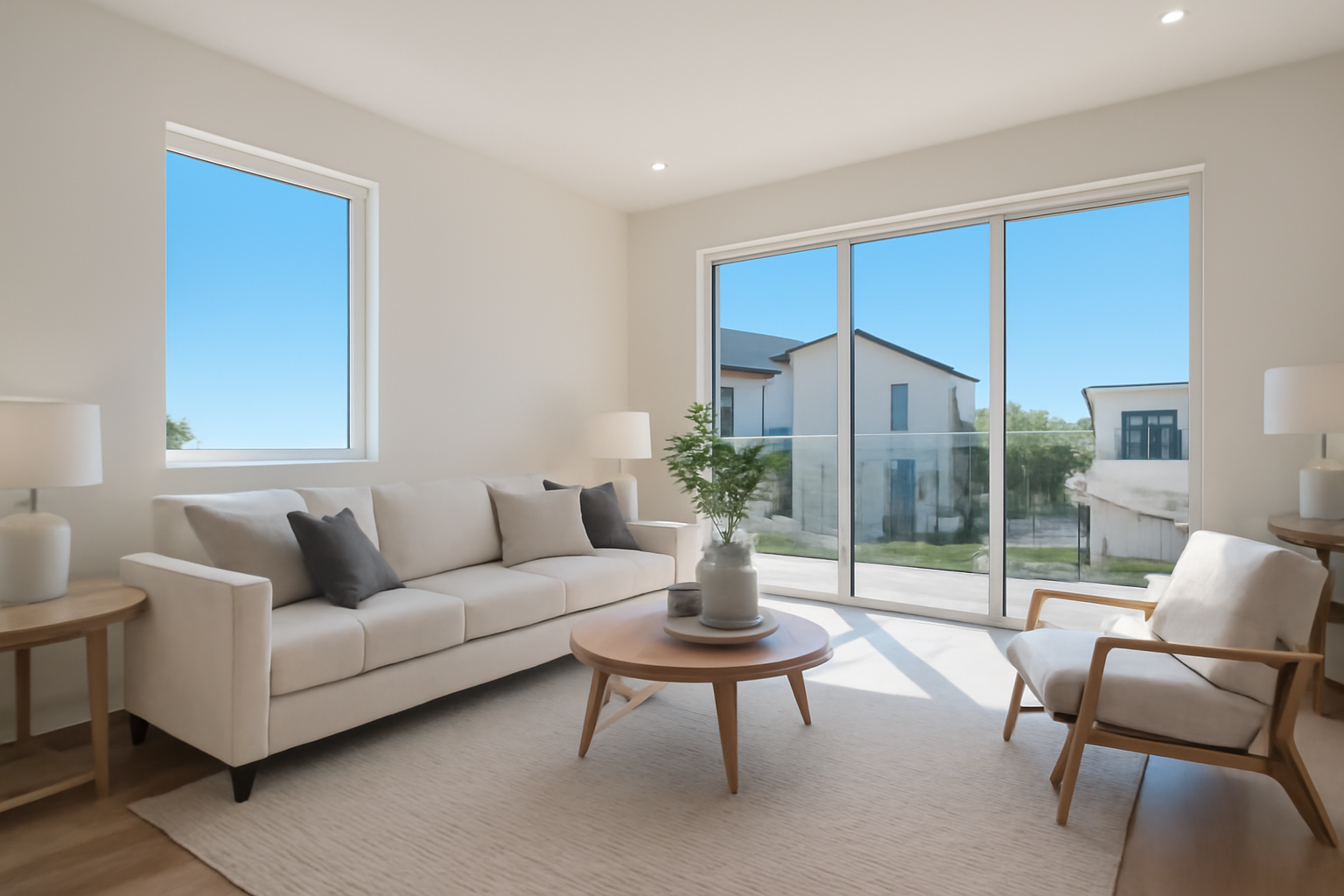
Selling a property can be a complex process, filled with numerous steps that all lead to one ultimate goal: making the property desirable to potential buyers. One of the most effective strategies in achieving this is depersonalizing the rooms. But why is depersonalization such a critical step in selling real estate?
The Psychology Behind Depersonalization
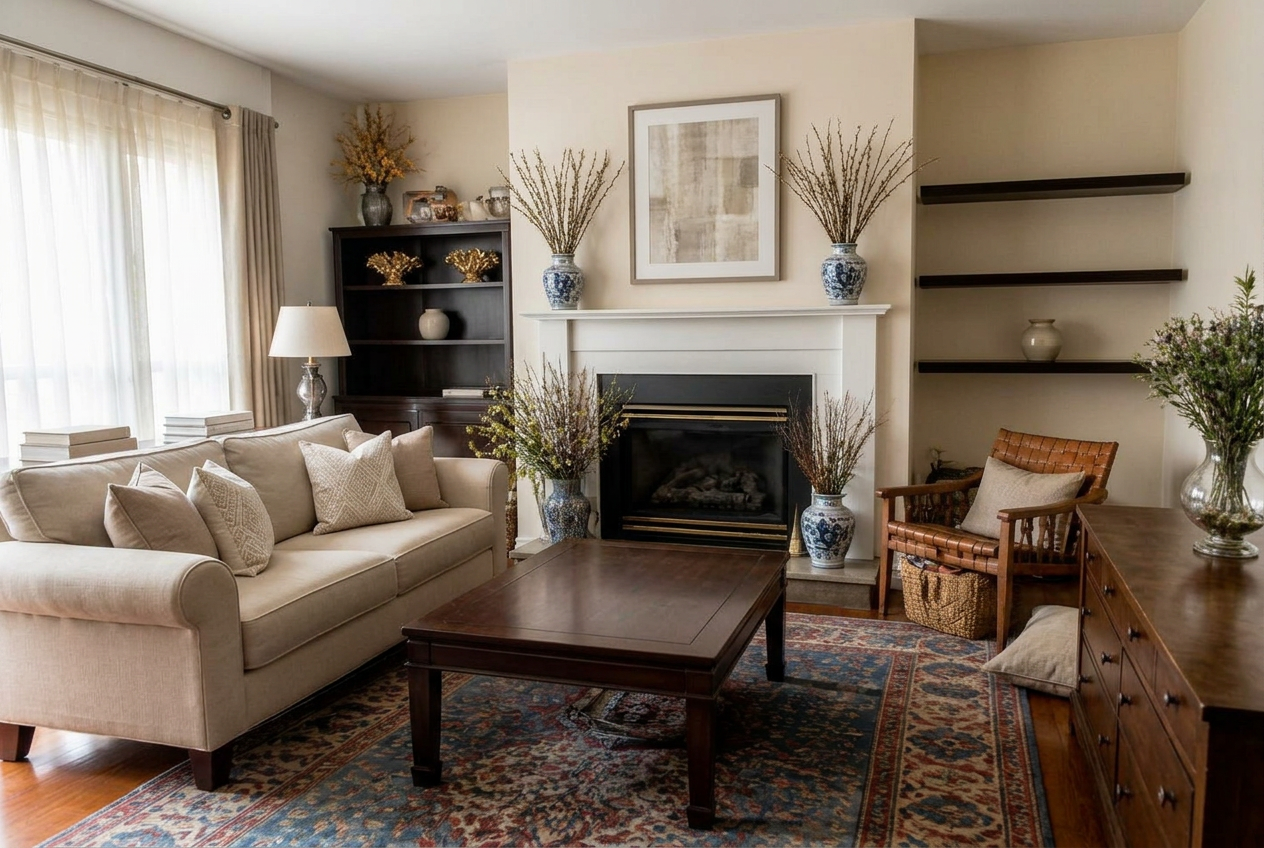
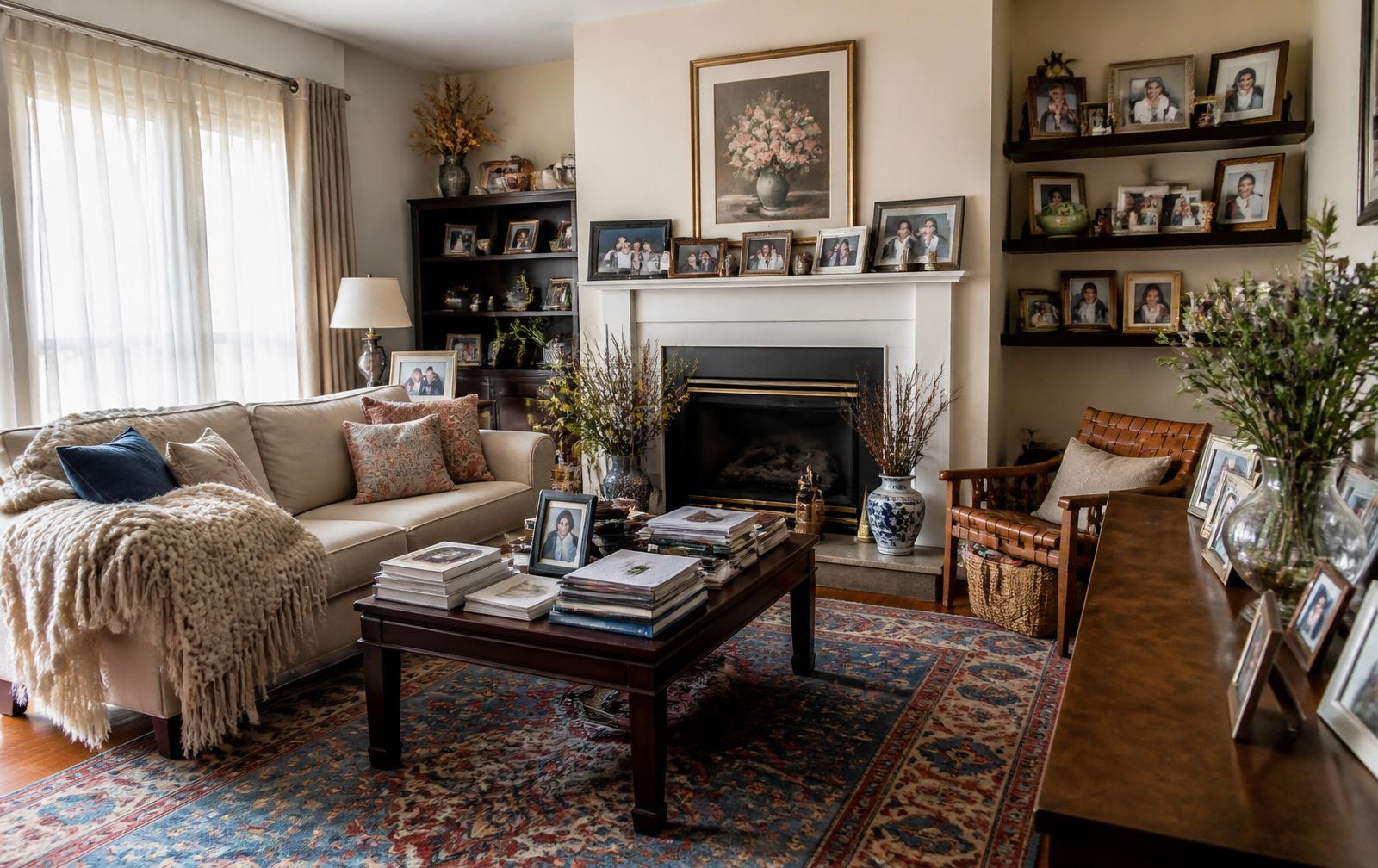
When potential buyers walk through a property, they are not just assessing its practicality or aesthetics; they are envisioning their future lives in that space. By removing personal items, you allow the prospective buyer to imagine their own decor and lifestyle within the walls, rather than feeling like a guest in someone else's home.
Creating a Neutral Canvas
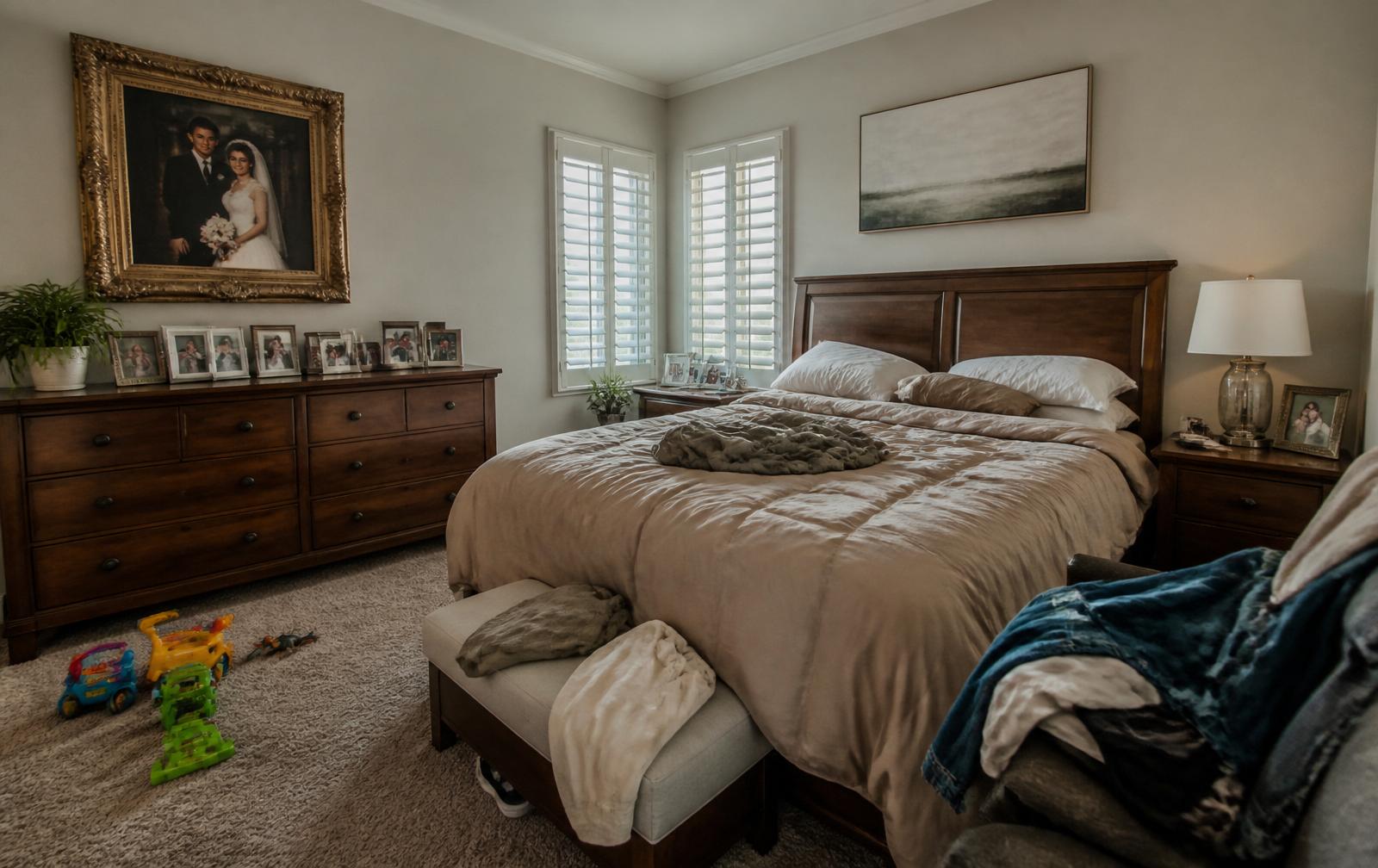
Depersonalization effectively turns each room into a blank canvas. Personal touches like family photos, unique art pieces, and themed decor can sometimes distract buyers from seeing the potential of the property itself.
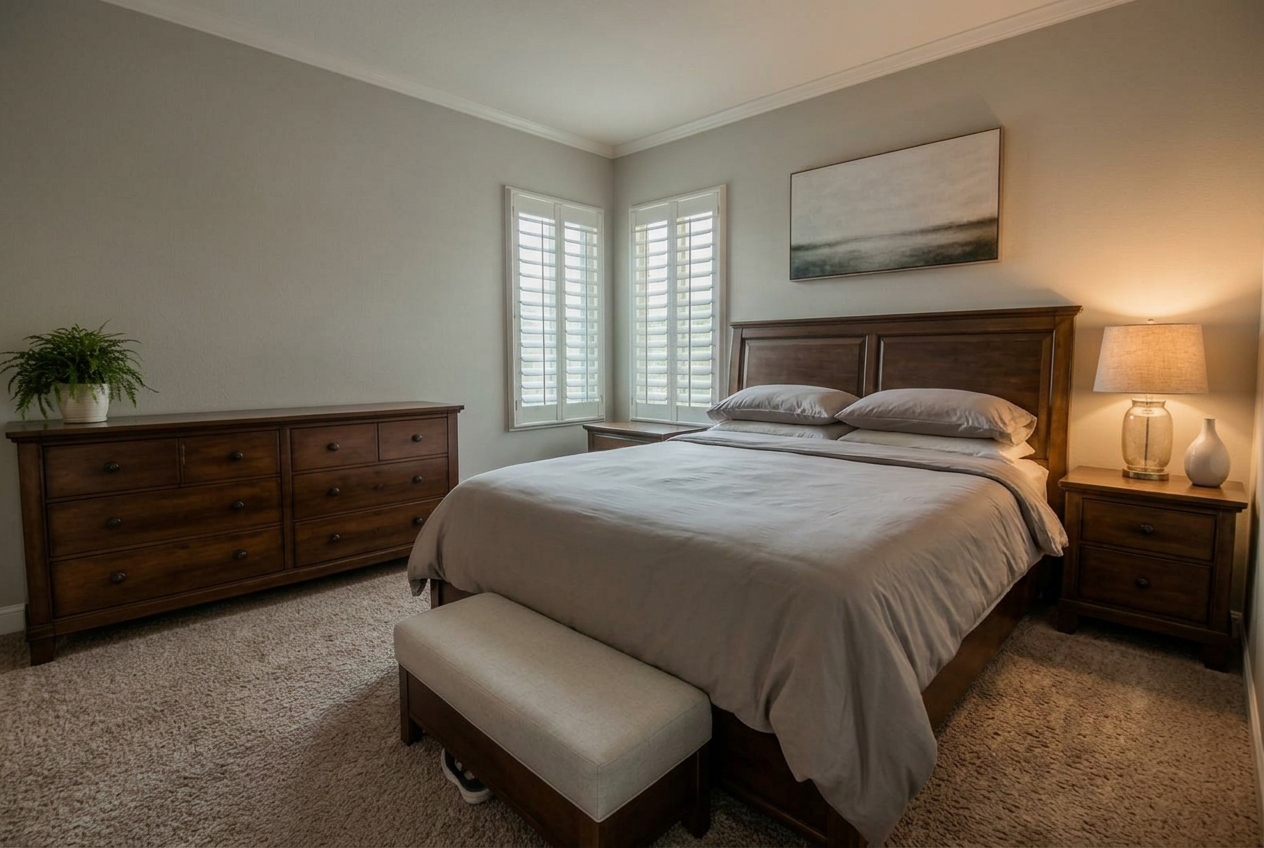
- Neutral Colors: Opt for neutral paint colors that appeal to a broader audience. Neutral shades can make a room feel more open and inviting.
- Minimal Accessories: While staging the home with furniture is essential, limit accessories to essentials that highlight the room's best features.
The Impact on Marketability
Enhancing Visual Appeal
- Widening the Audience: A depersonalized space appeals to a larger segment of buyers by being less specific to the current owner's tastes.
- Improved Photography: Neutral rooms photograph better and allow for more effective use of AI tools such as RealEstatePhotoEditor.com without distraction from clutter.
Speeding Up the Sale
Buyers make decisions quickly; a depersonalized home gives you an edge by being move-in ready. It can lead to faster sales as potential buyers can better visualize living in the space.
Implementing Depersonalization
Start with Decluttering
- Pack Away Personal Items: Pictures, memorabilia, and any personalized items should be removed.
- Reduce Furniture Load: Keep furniture modest and avoid overcrowding to enhance room size perception.
Optimize for Visual Impact
- Lighting: Ensure lighting showcases the room's features—use natural light where possible, and consider our AI-enhanced photo tools to amplify images for listings.
- Professional Photos: Use high-quality, edited images to attract online traffic; our free trial lets you try AI photo enhancement tools without any initial cost.
Begin with a Free AI Trial
With RealEstatePhotoEditor.com, you can start enhancing photos to highlight the freshly depersonalized, beautiful rooms on your listing. Make use of our powerful AI tools with a free trial, and experience the benefits of superior real estate photography firsthand.
Conclusion
Depersonalizing rooms is a vital step in preparing a property for sale. By creating a neutral backdrop, you widen the appeal, enhance photography, and potentially fast-track the sale process. Start with our AI photo enhancement tools today to ensure your real estate stands out in the crowded market.
FAQ
[{"question": "What does depersonalizing a room mean?","answer": "Depersonalizing a room involves removing personal items and decor to create a more neutral space that is appealing to a wide range of buyers."}, {"question": "How does depersonalization affect property sales?","answer": "It increases the property's appeal by allowing potential buyers to imagine themselves in the space, which can speed up the sales process."}, {"question": "Can AI enhance real estate photos after depersonalizing rooms?","answer": "Yes, AI photography tools can significantly enhance the appearance of rooms in listing photos, showcasing them at their best."}, {"question": "Why start with a free AI trial for real estate photos?","answer": "A free trial allows you to experience the benefits of AI-enhanced photos before committing to a service, helping you make informed decisions on visual marketing."}, {"question": "Is professional staging the same as depersonalization?","answer": "No, but they are complementary. Staging enhances a property's appeal after it has been depersonalized, often using neutral decor and furniture."}]