In the world of real estate, a picture is worth more than a thousand words; it's crucial for selling property. Adhering to Multiple Listing Service (MLS) photo requirements can significantly enhance your real estate sales strategy by effectively highlighting a property's features.
Understanding MLS Photo Requirements
MLS photo requirements are guidelines set by various MLS boards that dictate how listing photos should be formatted and displayed. These are essential for maintaining a standard quality and uniformity across real estate platforms.
Though specifics can vary by region, common requirements include:
- Resolution and Size: Typically, MLS platforms require high-resolution images to ensure they are clear and detailed when viewed on various devices. A minimum of 1024 x 768 pixels is often recommended.
- File Format: JPEG is the standard file format accepted by most MLS boards for its balance of quality and file size.
- Number of Photos: Many MLS services allow for a minimum number of photos, often around 25-50, which can include various angles of both internal and external property features.
Key Tips for Meeting MLS Photo Requirements
Capture Every Angle
A comprehensive photo series for a listing should cover:
- Exterior Front and Back: Highlight the curb appeal and any outdoor features like yards or pools.
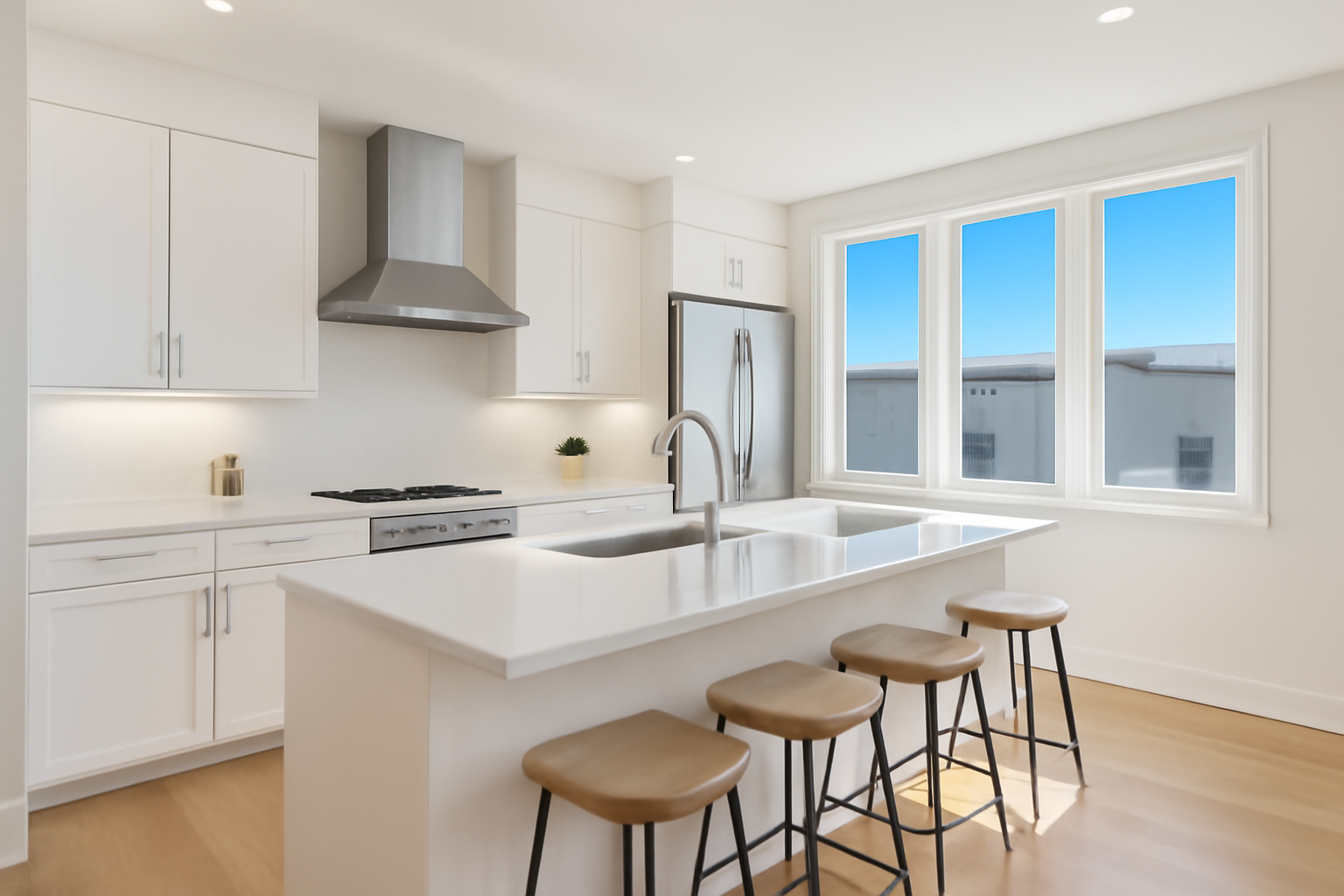
- Key Interior Spaces: Focus on living rooms, kitchens, and master bedrooms—spaces that are crucial selling points.
- Specialty Features: Include photos of fireplaces, patios, views from the property, and amenities like gyms or home offices.
Utilize Natural Light
Natural light can make a vast difference in photo quality. Aim for early morning or late afternoon for softer, warmer lighting. This approach reduces shadows and highlights features naturally.
Edit and Enhance with AI
Enhancing your photos with AI tools like RealEstatePhotoEditor.com can transform ordinary shots into extraordinary visuals. This tool offers automated enhancements such as brightness adjustments, color correction, and sky replacement.
- Brightness Adjustments: Makes rooms look more welcoming.
- Color Correction: Ensures photos reflect true colors, which is key to transparency with potential buyers.
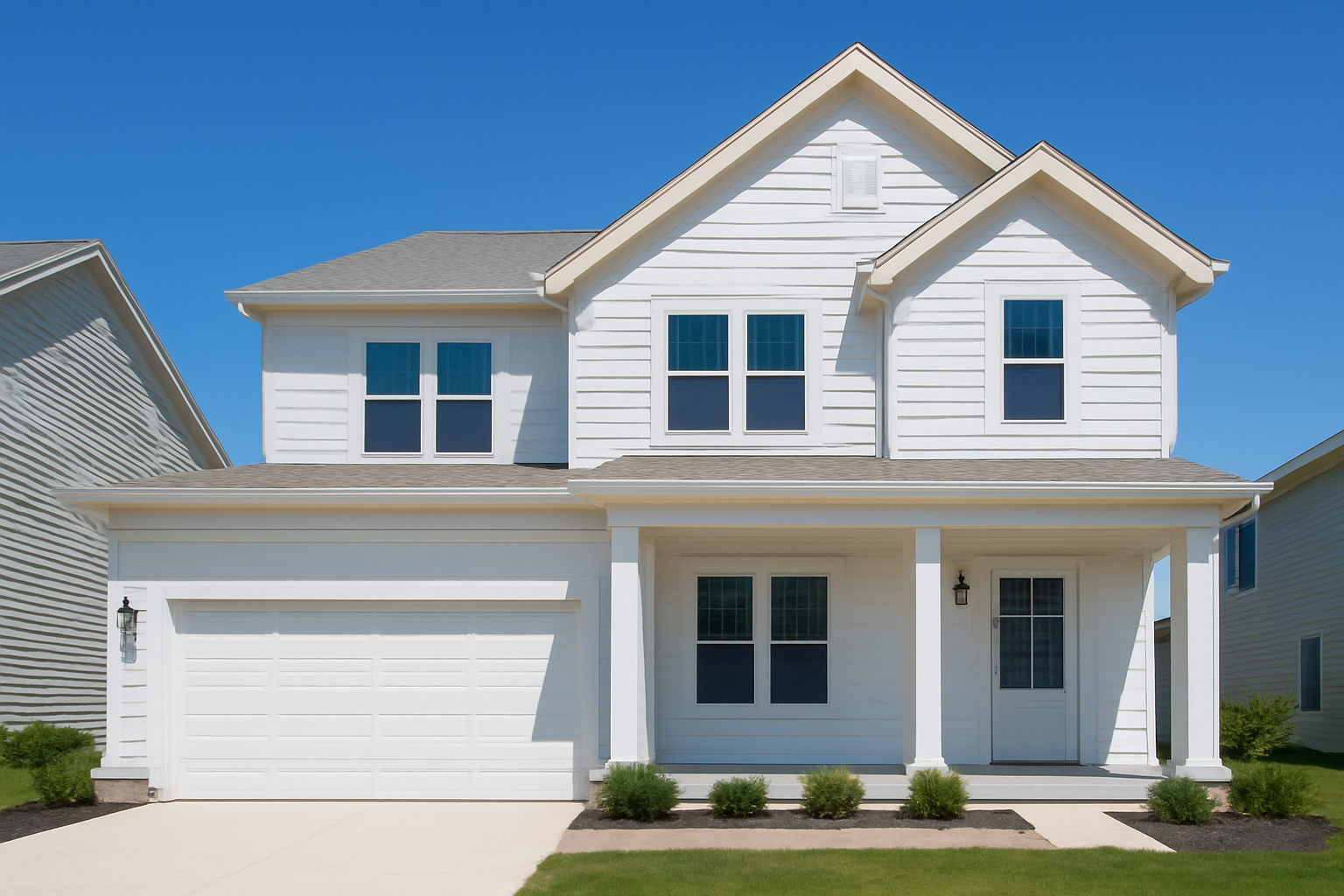
- Sky Replacement: Converts dull skies to vibrant blue, enhancing exterior shots.
Before and After Examples
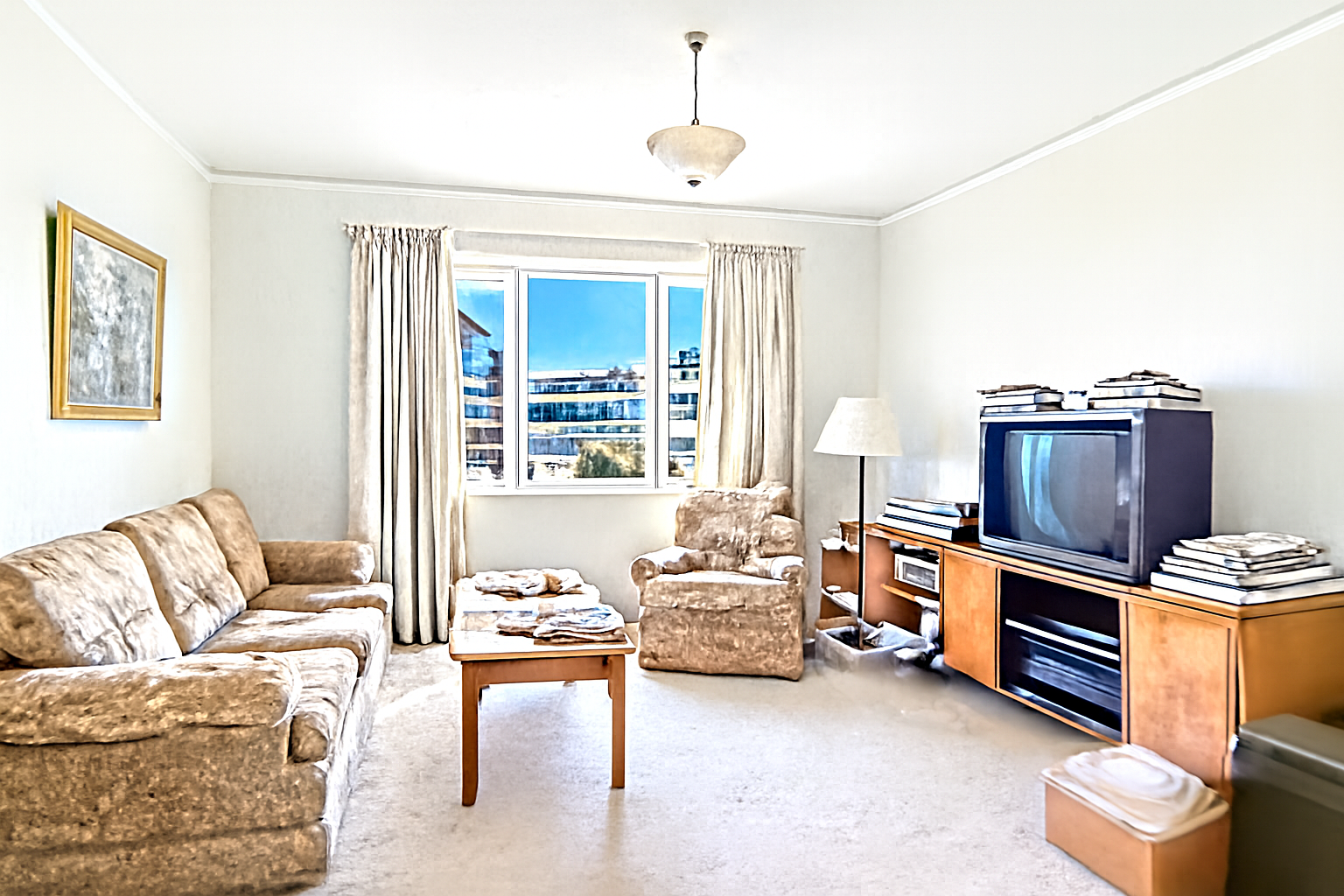
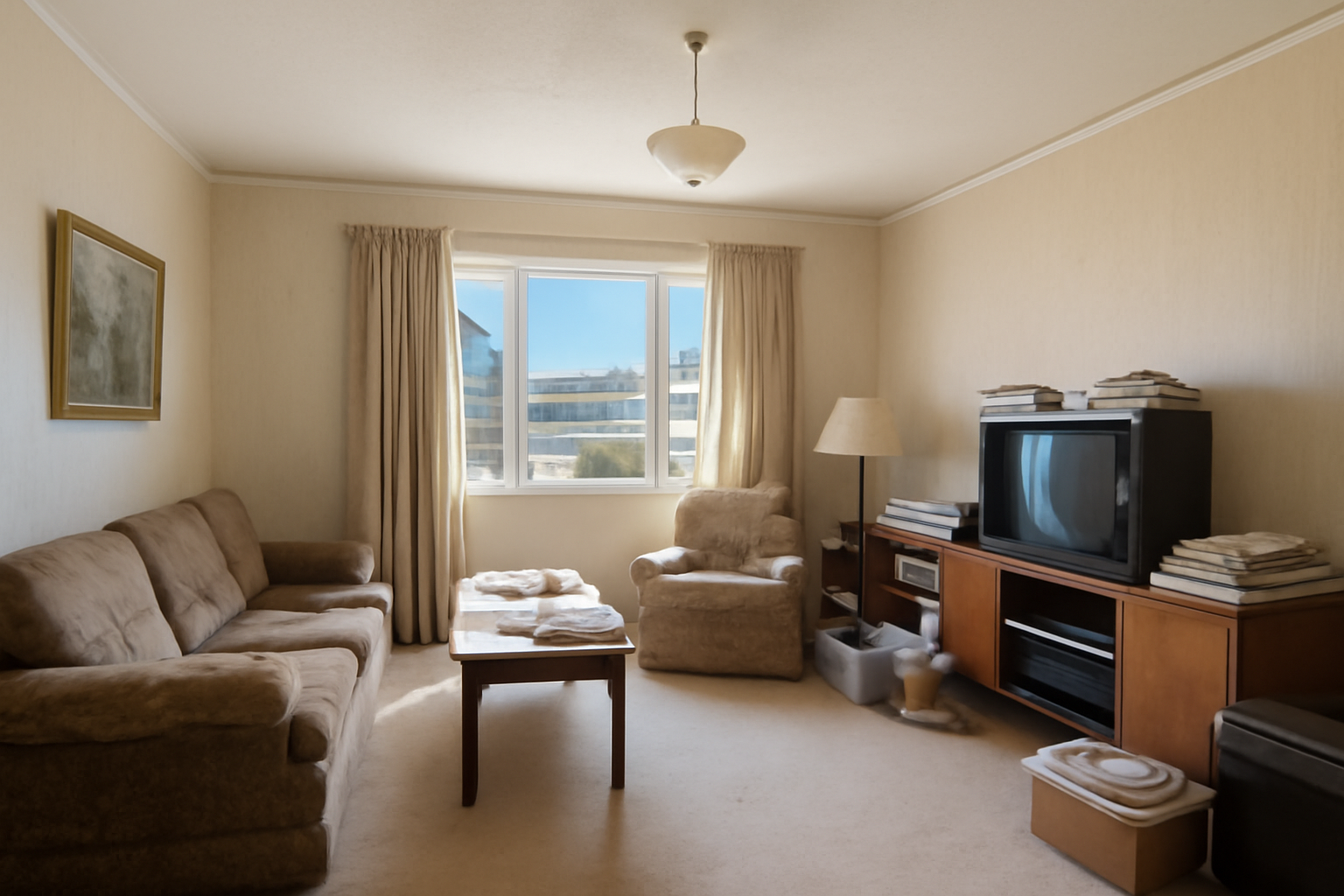
Example 1: Interior Living Room
- Before: A dimly lit, cluttered room with outdated decor.
- After: A bright, spacious living room with modern decor. Enhancements include lighting improvements and color adjustments.
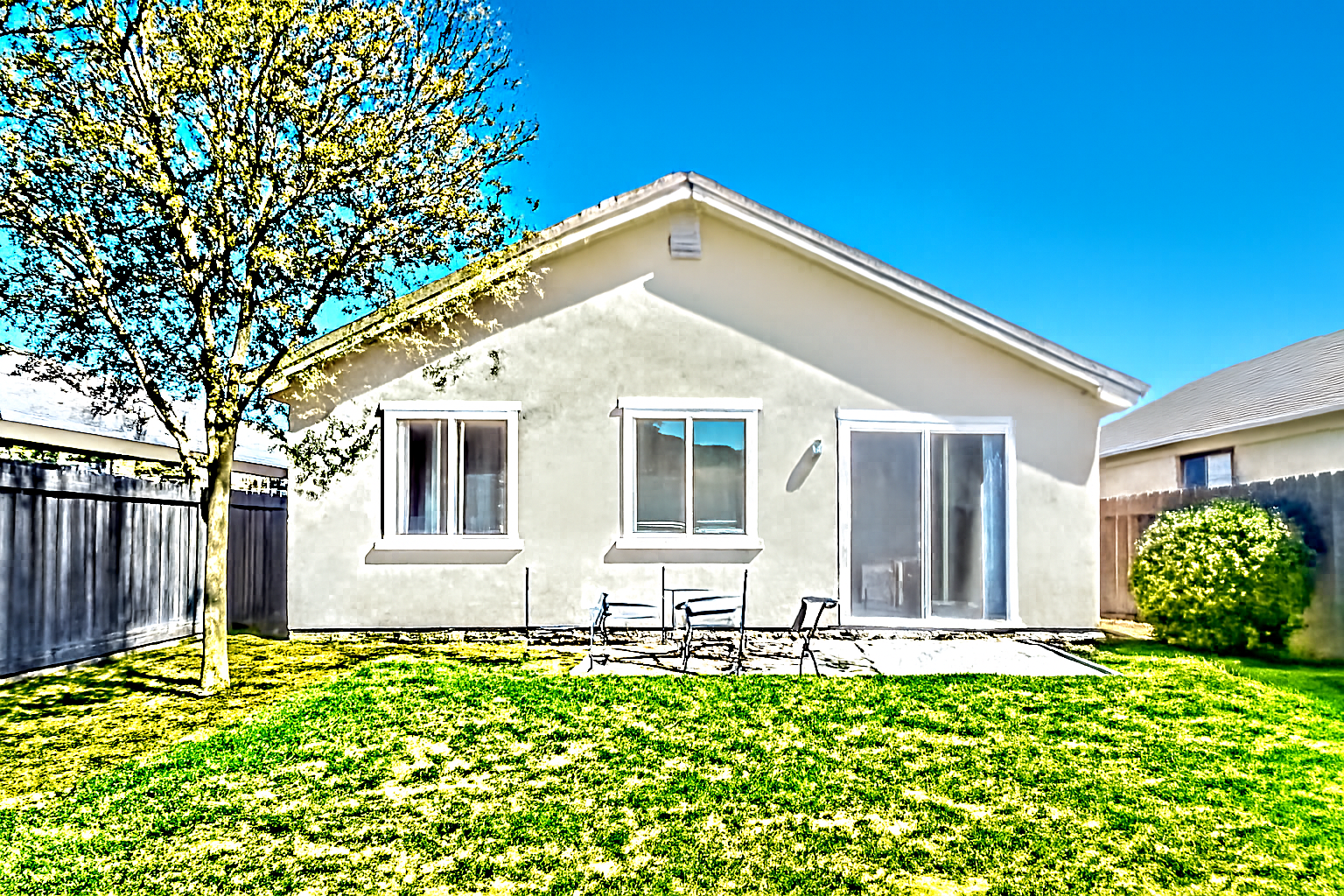
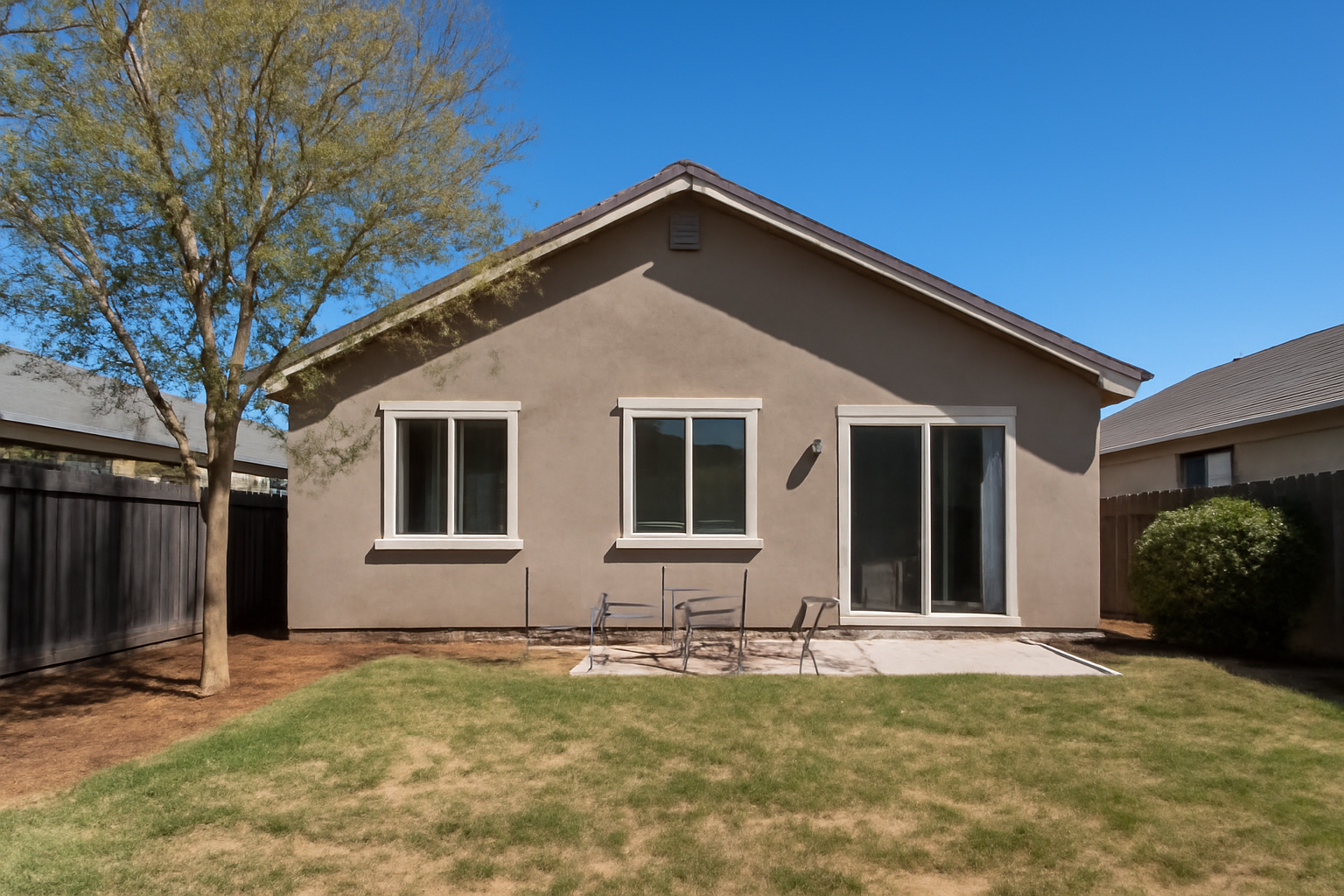
Example 2: Exterior Backyard
- Before: An overcast day showing a dull, uninspiring backyard.
- After: Enhanced with AI to add a clear blue sky, saturated greens, and brightened features to emphasize space.
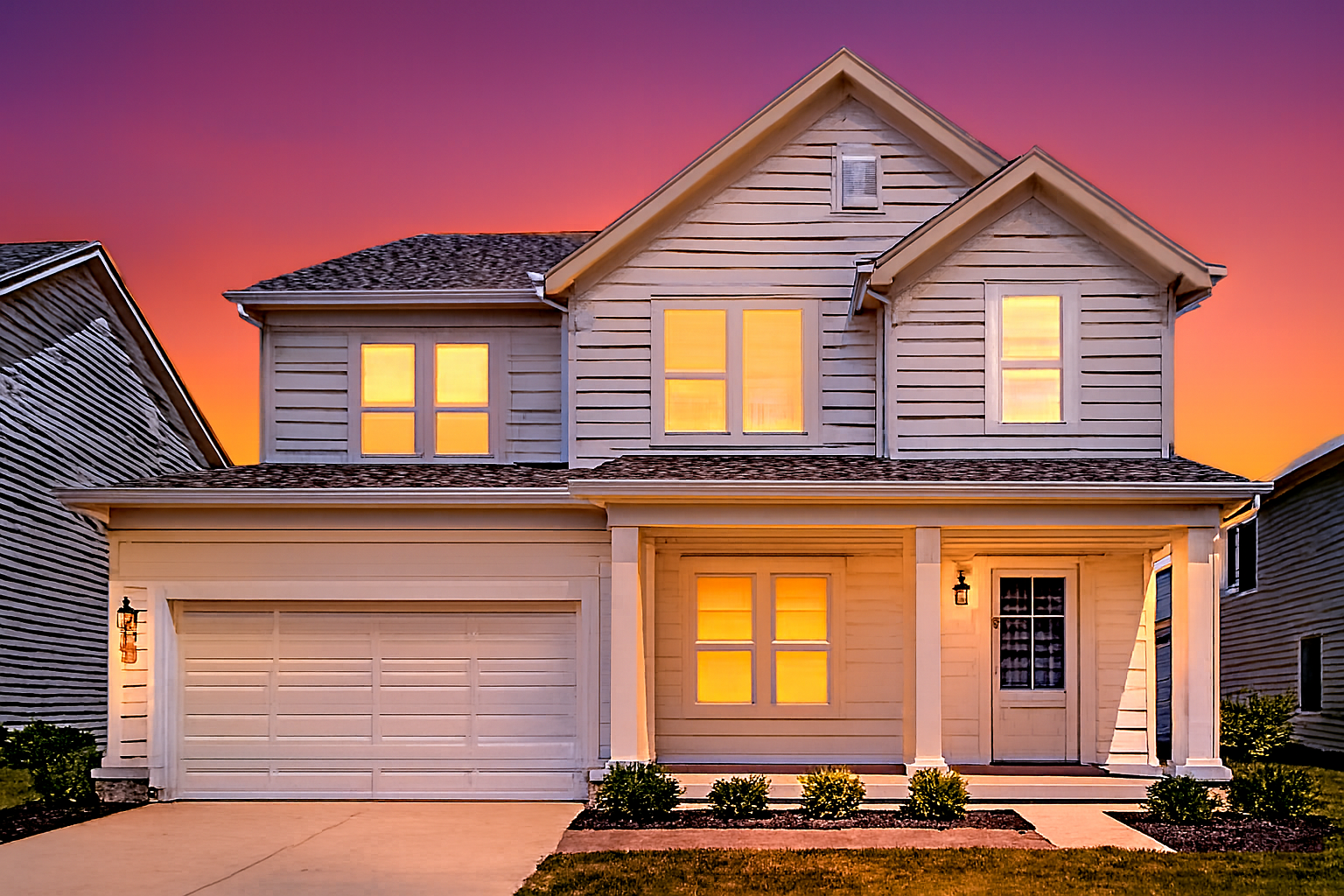
Example 3: Luxury Twilight
- Before: A flat, underexposed twilight exterior shot.
- After: AI applied for vivid color contrast and enhanced warmth, emphasizing the property's elegance at dusk.
Conclusion
Meeting MLS photo requirements doesn't just help in presenting properties effectively but also attracts more potential buyers by showcasing listings at their best. Use AI photo enhancement tools like RealEstatePhotoEditor.com, which offers a free trial, to achieve professional results effortlessly.
Incorporating these strategies ensures that your listings stand out in the competitive real estate market.
FAQ
What is the ideal resolution for MLS photos?
The ideal resolution is typically at least 1024 x 768 pixels, providing clear detail without compromising on file size.
Can I edit my MLS photos?
Yes, editing photos for brightness, contrast, and color correction is common, but ensure edits portray the property's true condition.
How many photos should a real listing have?
Most listings perform best with 25-50 photos, showcasing both the interior and exterior from various angles.
Are there penalties for not meeting MLS photo requirements?
Yes, failing to meet requirements can lead to listings being removed or not appearing in search results, affecting visibility.
How can AI tools help in real estate photography?
AI tools automate enhancements like lighting corrections and sky replacements, making photos more engaging and polished effortlessly.